

Quit Smoking – Preparation is the key!
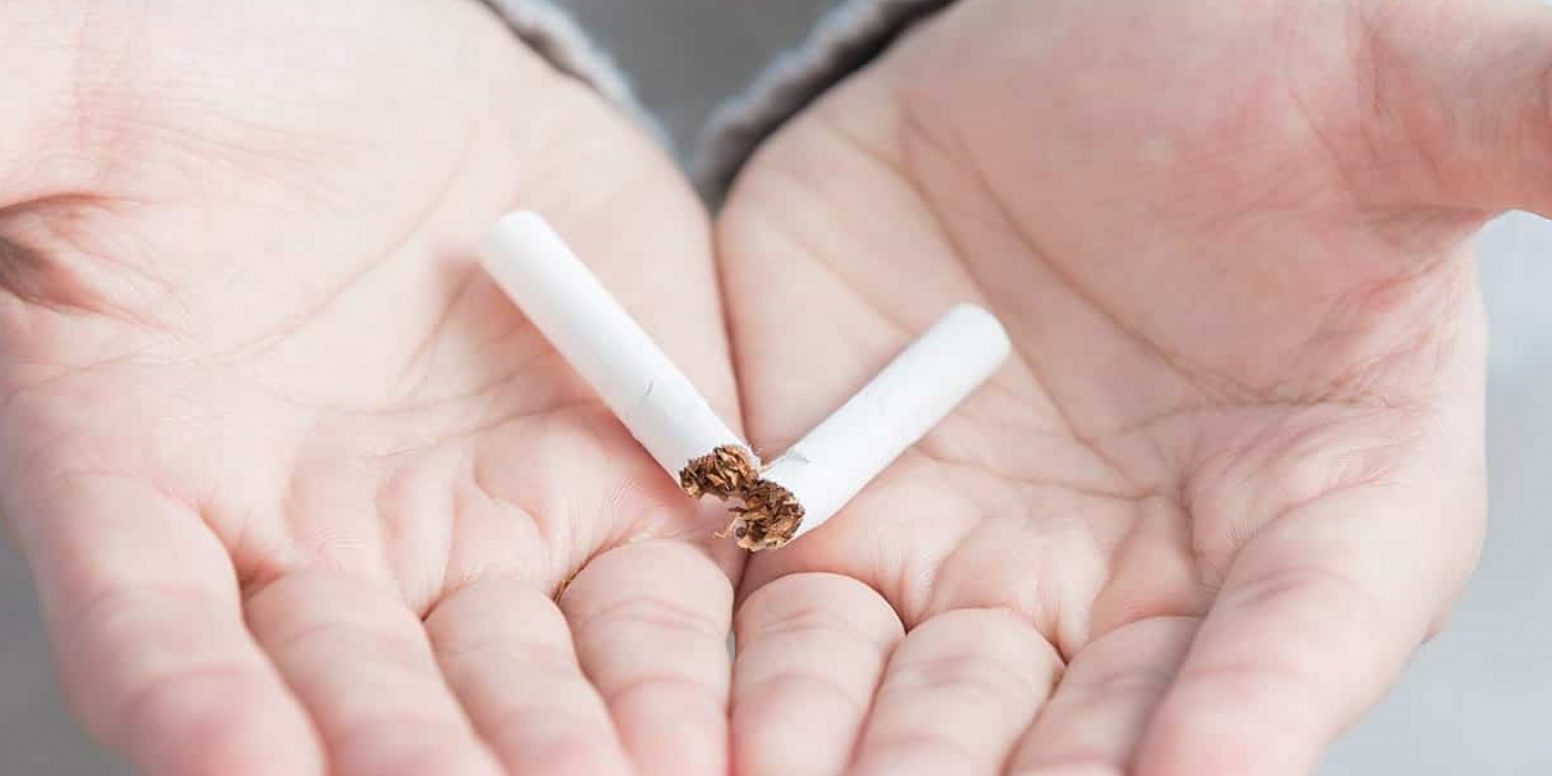
Set a quit date
Set a realistic date to quit and stop completely on that day. Choose a day when you have no events that may make it difficult to avoid smoking, such as a party. It’s also a good idea not to try to quit just before a stressful event, such as a job interview or exam. Check your house, car, workplace etc and throw out cigarettes, lighter and ashtrays the day before your quit day.
Plan strategies to deal with triggers
If you have quit before, think about the strategies that worked well for you. What were the high-risk situations where you smoked and how can you plan to avoid them? What are the behaviours, eg consuming alcohol, coffee or food, or feelings, such as anxiety or boredom, that trigger your craving for a cigarette? Knowing some of your triggers can help you plan your strategies to manage these situations.
Organise a support network
Tell your friends, family and work mates that you are going to quit. Their encouragement will be helpful, especially during the first two weeks of quitting. Call the advisors at the Quitline 131 848 to obtain support before and during your quit attempt.
Create smoke-free zones
A ban on smoking in your home and car increases your chances of quitting successfully. Over 80 per cent of NSW homes are smoke free zones. The factsheet Car and home smoke free zone has more information.
Reduce caffeine intake
As your body is removing nicotine you absorb more caffeine. It may be helpful to reduce your intake of tea, coffee and cola drinks by half. Read the labels on chocolate bars and energy drinks as some of these items also contain caffeine. An increase in caffeine levels may add to your feelings of restlessness or insomnia.
Plan to limit alcohol
For people quitting smoking it’s a good idea to avoid alcohol during the first two weeks. Alcohol tends to lower one’s inhibitions, making it more difficult to maintain the determination not to smoke. It’s also a common habit to combine a drink and a smoke, so having a drink with friends who smoke may trigger cravings. Instead of meeting for drinks you could suggest an alternative such as the cinema or an outing to another smokefree place, eg a restaurant, a theatre, a bowling alley etc.
Plan some rewards
A pack-a-day smoker spends about $70 per week or up to $3,600 per year on cigarettes. The money that you’ve saved on cigarettes can be spent on rewards – anything from a cinema ticket to a holiday. Do what works for you to celebrate your success.
Dealing with cravings
Cravings are normal and expected and last only a few minutes. As time passes your cravings will be less intense, shorter and happen less often. You may like to think of cravings as ‘time limited desires’. They usually pass in a few minutes. Some people keep a diary to document how they feel, including the frequency and intensity of their cravings. This may help you to see that things are improving.
If you experienced cravings last time you quit, then using nicotine replacement therapy (NRT) can be a smart move. It is recommended that you use the NRT (patch, gum, lozenge, sublingual tablet or inhaler) for no less than eight weeks after quitting, as this is the best way to manage withdrawal symptoms.
Organise products to help you quit
Using nicotine replacement therapy (NRT) to help you quit can double your chances of quitting successfully and is cheaper than buying cigarettes. The pamphlet Products to help you quit smoking provides information about these products and the factsheet Nicotine dependence and withdrawal will help you to assess your level of dependence on the nicotine in tobacco.
See your doctor
See your doctor before quitting if you are taking medication. Chemicals in cigarettes change the way some medications work. Stopping smoking can be stressful. So if you have suffered from depression, anxiety or other mental illness, ask your doctor’s advice before quitting.
Call the Quitline 131 848
The Quitline 131 848 is a free confidential telephone based service primarily designed to help smokers quit smoking. The Quitline 131 848 can also provide assistance to the family and friends of smokers and others requesting information about smoking. If you are not fluent in English an interpreter service is available.
By calling the Quitline 131 848 (for the cost of a local call) you can:
- be sent a free Quit Kit
- take advantage of talking to the specially trained Quitline advisors
- have your questions about NRT or other quitting aids answered
- take part in the free call-back and follow-up service
A final note
c
Becoming a non-smoker is a process and takes time. No quit attempt is a ‘failure’. Most smokers make several quit attempts before they are successful. With each attempt they learn more about themselves and how their body and mind react to going without cigarettes.
The first few days after quitting can be the hardest. Remember all the reasons why you want to quit and reward yourself for the progress that you are making. Quitting smoking is the best investment you can make in your health. Stay positive and be kind to yourself!
Related links
Important News

Important Notice – Fee Changes Effective 1 July
From 1 July, Blackbutt Clinical Centre will be increasing our fees by 5%. On the same date, the Medicare rebate will increase by 2.6%.

We’ve Listened to Your Feedback
Recently, we conducted a patient experience survey to better understand what we are doing well and where we can improve. We would like to thank everyone who took the time to share their feedback.
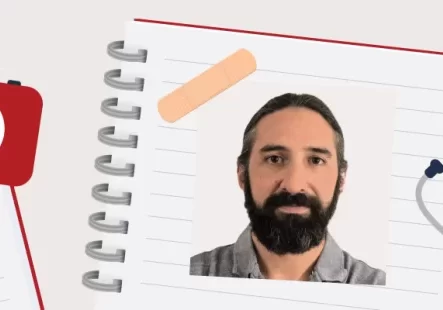
Welcoming Dr Andrew French to Blackbutt Doctors
Blackbutt Clinical Centre is pleased to welcome Dr Andrew French to our growing team of dedicated general practitioners.

Important Centre Update – Bulk Billing
From 1 November, you may encounter media coverage suggesting that general practices are “returning to bulk billing.” We wish to be transparent—this change does not apply to our clinic.

Changes to Mental Health Appointments Under Medicare
Medicare is introducing updates to the Better Access mental health program to help improve continuity of care and support ongoing patient wellbeing.

Breast Screening and Breast Density
Understanding Breast Density: What You Need to Know

AI transcription for note-taking during consultations.
Starting Monday, August 5th, our general practice will implement AI transcription for note-taking during consultations.

Infectious Symptoms Clinic Ceasing
From Monday the 20th of March 2023 there will be a different way to manage clinic appointments.

Blackbutt Clinical Centre win PHN’s ‘Supporting Patients Through Technology’ Award
Blackbutt were awarded for ” Supporting Patients Through Technology” last night at the Primary Health Networks’ Primary Care Quality and Innovation Awards 2021.

Changes to Billing for TeleHealth Appointments
Important patient information regarding changes in billing for TeleHealth appointments.
Being connected to your health has never been easier!
At Blackbutt Doctors, we are incorporating technology to make communication about your health as easy and convenient as possible.
Sleep and Insomnia
Sleep disorders are a very common reason for presentation to the GP. Sleep is so important to your physical and mental health so it’s crucial that if you are consistently having trouble sleeping that you discuss this with your GP.
Frequently Asked Questions about the Flu Vaccination
With flu season on the horizon it’s important to get educated about how to best minimise your chance of contracting and spreading the flu, and vaccination is the best way to do this!


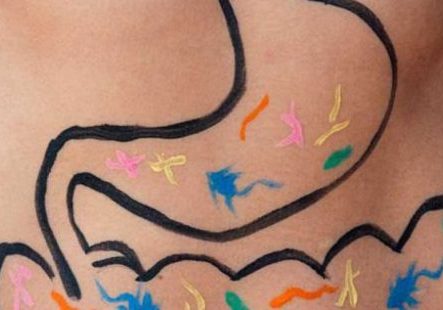
Are you using a Proton Pump Inhibitor?
Proton pump inhibitors (you might know them by the names of Somac or Nexium), are among the most commonly prescribed medications in the Australian community.

Cervical Screening has changed
As many of you will already be aware, from December 2017 Australia changed the program for screening for cervical cancer.
Why it’s important to identify as an Aboriginal or Torres Strait Islander patient
Identifying Aboriginal and Torres Strait Islander patients is important because it makes a difference to clinical care.
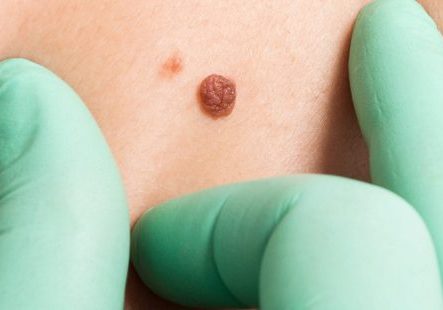
Do you need a skin lesion looked at or removed?
Which ever doctor you choose here at Blackbutt, they will be very happy to give you thorough skin check.

Do you need an IUD inserted and/or removed?
IUD’s are safe, cheap and effective contraception, and work well to control heavy periods.
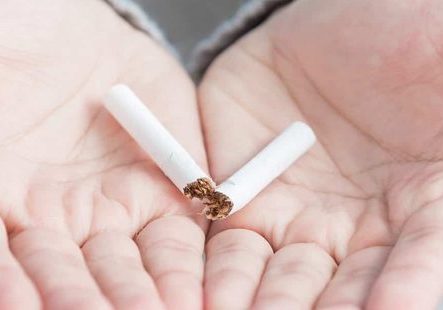
Quit Smoking – Preparation is the key!
The more prepared and motivated you are, the more likely you are to succeed in quitting. Developing a quit plan can help. The benefits that you have to gain as a non-smoker outweigh the short-term difficulties of quitting.

Dealing with Depression and Anxiety
Talking to your GP about a change in your mental health is a very good place to start to get you on the road to recovery. GPs care for many people who are feeling low or distressed. They can help you find a way back to a better frame of mind.
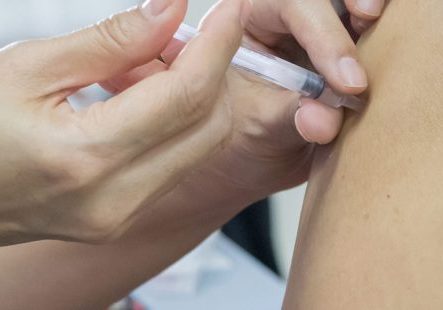
Dealing with the Flu
Influenza is caused by a virus. Most people recover after a few days, but in some it can be life-threatening. To avoid influenza, have an annual influenza vaccination. If you have influenza, cover your coughs and sneezes, wash your hands before touching others, and stay at home.