

Dealing with the Flu
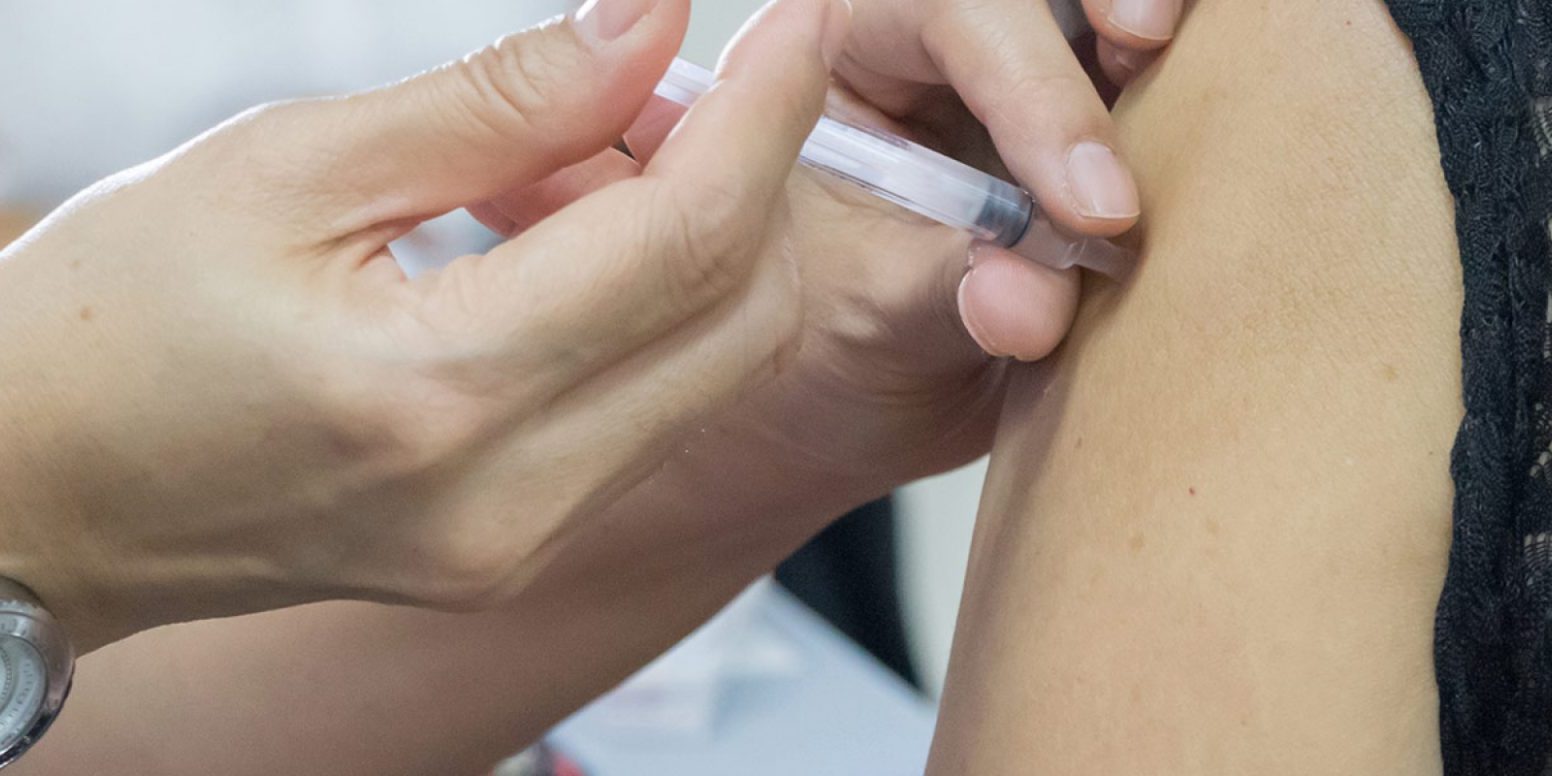
Influenza is caused by a virus. Most people recover after a few days, but in some it can be life-threatening. To avoid influenza, have an annual influenza vaccination. If you have influenza, cover your coughs and sneezes, wash your hands before touching others, and stay at home.
What is influenza?
Influenza (or ‘the flu’) is caused by infection with influenza viruses A , B and rarely C. It mainly affects the throat and lungs, but can also cause problems with the heart and rest of the body, especially in people with other health problems. Influenza viruses regularly changes, causing epidemics each winter in NSW. Every few decades a new type of influenza virus will emerge causing a severe and widespread epidemic (or pandemic).
What are the symptoms?
Symptoms usually occur one to three days after infection, and may include sudden onset of:
- fever
- headache
- muscle and joint pain
- sore throat
- cough
- runny or stuffy nose
- severe tiredness
Most people recover within a week. Compared with many other infections (like the common cold), influenza tends to cause more severe symptoms and complications. Complications can include pneumonia, heart failure, or worsening of other illnesses.
What can I do to prevent getting influenza?
- Good hygiene. Wash your hands before eating. Do not put your hands, or other commonly used objects, like pens, in your mouth.
- Look after yourself. Your immune system will function well with lots of sleep, little alcohol, fruit and vegies and not too much stress.
- It is ok to protect yourself. If you have the misfortune to get in an elevator, on a plane or sit next to at a doctor’s surgery a person who is coughing and sneezing, it is fine to cover your face and mouth with a handkerchief, move away from them, or use a mask. Masks can be obtained from pharmacies.
- Get vaccinated. Influenza vaccination is recommended for anyone over six months of age, who is at a higher risk of suffering complications of influenza. Adults who just don’t have the time or patience to have the flu are also invited to get a script, get a vaccination and avoid the flu!
Does the influenza vaccination give you influenza?
The influenza vaccination is not a live virus. It cannot make you infected with the influenza virus. You may feel like you are getting the flu in the days after getting it, with mild headaches, fever or sore throats, but this is usually very mild and passes quickly. This is just your body learning to be immune to the flu. It is not as bad as the real flu, as anyone who has had it in recent years can tell you!
Am I eligible for a government funded injection?
Ask your health professional, or see the link to the NSW influenza factsheet. Basically the government is providing the vaccination for those with a chronic illness or those aged 65 years and over. All others will require a script.
What is the procedure if I want an influenza vaccination and I am not eligible for a free vaccination?
You will need to see your doctor to get a script for the influenza vaccination. You will then need to go to the pharmacy to get a vaccination, and book in to one of our influenza vaccination clinics. If you cannot make the clinic, you can make an appointment with our nurses at a convenient time by calling the surgery. We are open Saturday morning and Wednesday evening too for working people.
I think I have the flu, what should I do?
- Stay at home until your fever has gone for 48 hours. No-one will thank you for spreading it around, and it will help you get better faster. If you come to the surgery, we will ask you to use a mask, and may ask you to sit in a private room until you are seen by our doctors. Our doctors and nurses may also use masks during influenza season, to protect them and stop the spread of influenza to vulnerable people.
- Take paracetamol or ibuprofen if you have a fever or muscle aches.
- Drink plenty of fluid.
- If you are producing coloured phlegm, or cannot take fluids, or otherwise feel you are going from bad to worse, you can make an appointment with your doctor. When you phone for the appointment, please let reception know you think you have influenza.
- If you have a chronic health condition, you may be particularly vulnerable to the affects of influenza. Please speak to your doctor before you get the flu, top make sure you have a management plan in place if you get ill. This particularly applies to people with respiratory diseases such as asthma or COPD.
I am pregnant, should I get the influenza vaccination?
Yes, it is advisable. The influenza vaccination can hit mothers and babies hard, so it is best to be protected.
What about influenza vaccination for children?
You may recall there was a great deal of publicity regarding influenza vaccination for children last year. A certain brand seemed to produce more fever and febrile convulsions. This brand is not being given to children. Children with a condition that makes them more vulnerable to the bad effects of influenza, such as children with diabetes or asthma, are being offered vaccines provided by the government. If your child is in this category, please call to make an appointment for their vaccination. If your child is well, there is no particular reason to give them the influenza vaccination. If your child does not have a chronic illness, and you would like them vaccinated, please speak to your doctor.
Children being vaccinated against influenza for the first time will require two shots 1 month apart. If your child has had the initial two shots in a previous flu season, they will only require one shot for immunity this year.
For more information, please call the surgery, or read the NSW Health Fact Sheet here.
Important News

Important Notice – Fee Changes Effective 1 July
From 1 July, Blackbutt Clinical Centre will be increasing our fees by 5%. On the same date, the Medicare rebate will increase by 2.6%.

We’ve Listened to Your Feedback
Recently, we conducted a patient experience survey to better understand what we are doing well and where we can improve. We would like to thank everyone who took the time to share their feedback.
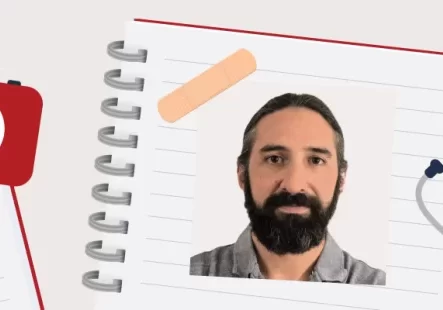
Welcoming Dr Andrew French to Blackbutt Doctors
Blackbutt Clinical Centre is pleased to welcome Dr Andrew French to our growing team of dedicated general practitioners.

Important Centre Update – Bulk Billing
From 1 November, you may encounter media coverage suggesting that general practices are “returning to bulk billing.” We wish to be transparent—this change does not apply to our clinic.

Changes to Mental Health Appointments Under Medicare
Medicare is introducing updates to the Better Access mental health program to help improve continuity of care and support ongoing patient wellbeing.

Breast Screening and Breast Density
Understanding Breast Density: What You Need to Know

AI transcription for note-taking during consultations.
Starting Monday, August 5th, our general practice will implement AI transcription for note-taking during consultations.

Infectious Symptoms Clinic Ceasing
From Monday the 20th of March 2023 there will be a different way to manage clinic appointments.

Blackbutt Clinical Centre win PHN’s ‘Supporting Patients Through Technology’ Award
Blackbutt were awarded for ” Supporting Patients Through Technology” last night at the Primary Health Networks’ Primary Care Quality and Innovation Awards 2021.
Changes to Billing for TeleHealth Appointments
Important patient information regarding changes in billing for TeleHealth appointments.
Being connected to your health has never been easier!
At Blackbutt Doctors, we are incorporating technology to make communication about your health as easy and convenient as possible.

Sleep and Insomnia
Sleep disorders are a very common reason for presentation to the GP. Sleep is so important to your physical and mental health so it’s crucial that if you are consistently having trouble sleeping that you discuss this with your GP.

Frequently Asked Questions about the Flu Vaccination
With flu season on the horizon it’s important to get educated about how to best minimise your chance of contracting and spreading the flu, and vaccination is the best way to do this!



Are you using a Proton Pump Inhibitor?
Proton pump inhibitors (you might know them by the names of Somac or Nexium), are among the most commonly prescribed medications in the Australian community.

Cervical Screening has changed
As many of you will already be aware, from December 2017 Australia changed the program for screening for cervical cancer.
Why it’s important to identify as an Aboriginal or Torres Strait Islander patient
Identifying Aboriginal and Torres Strait Islander patients is important because it makes a difference to clinical care.

Do you need a skin lesion looked at or removed?
Which ever doctor you choose here at Blackbutt, they will be very happy to give you thorough skin check.

Do you need an IUD inserted and/or removed?
IUD’s are safe, cheap and effective contraception, and work well to control heavy periods.

Quit Smoking – Preparation is the key!
The more prepared and motivated you are, the more likely you are to succeed in quitting. Developing a quit plan can help. The benefits that you have to gain as a non-smoker outweigh the short-term difficulties of quitting.

Dealing with Depression and Anxiety
Talking to your GP about a change in your mental health is a very good place to start to get you on the road to recovery. GPs care for many people who are feeling low or distressed. They can help you find a way back to a better frame of mind.
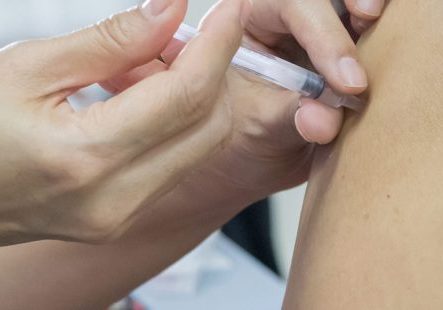
Dealing with the Flu
Influenza is caused by a virus. Most people recover after a few days, but in some it can be life-threatening. To avoid influenza, have an annual influenza vaccination. If you have influenza, cover your coughs and sneezes, wash your hands before touching others, and stay at home.